

Introduction
- Email marketing has become one of the most valuable communication strategies for businesses, entrepreneurs, and online creators. In a digital world where customers receive countless messages every day, email provides a direct and personal way to connect with an audience. Unlike many other marketing channels that depend on algorithms, changing trends, or paid promotions, email allows businesses to communicate with people who have already expressed interest in their products, services, or ideas.
- However, successful email marketing is not simply about sending random promotional messages to a list of contacts. It requires careful planning, a clear understanding of customer needs, and a commitment to delivering valuable content. Businesses that follow effective email marketing best practices can create stronger relationships, increase customer trust, and achieve better long-term results.
- For beginners, email marketing may seem complicated at first because it involves many different elements, including subscriber management, content creation, design, automation, analytics, and campaign optimization. However, with the right approach, anyone can learn how to create effective email campaigns that engage readers and encourage action.
- The main purpose of email marketing is to provide meaningful communication. A successful email does not only focus on selling a product. Instead, it helps customers solve problems, learn something useful, discover new opportunities, or make better decisions. When businesses consistently provide value, subscribers are more likely to trust the brand and remain connected.
- One of the biggest reasons email marketing continues to be popular is its ability to create personalized experiences. Modern customers expect businesses to understand their interests and preferences. A generic message sent to everyone may not create much impact, but a carefully targeted email can feel more relevant and useful. For example, an online store can recommend products based on previous purchases, while a service provider can send helpful tips based on customer needs.
- Another important factor is the control that email marketing gives businesses. Social media platforms and search engines frequently change their rules, which can affect how many people see a company’s content. Email provides a more reliable communication channel because businesses can reach their subscribers directly. This makes email marketing an important part of a balanced digital marketing strategy.
- For small businesses especially, email marketing offers an affordable way to compete with larger companies. A small brand may not have a huge advertising budget, but it can still build strong customer relationships through well-planned email campaigns. By creating useful newsletters, special offers, educational messages, and personalized updates, small businesses can stay connected with their audience and encourage repeat engagement.
- Email marketing also plays an important role in customer retention. Attracting new customers often requires significant effort and resources, but keeping existing customers engaged can create long-term value. Regular emails help businesses stay memorable by reminding customers about their brand, sharing updates, and offering helpful information. A customer who receives valuable communication is more likely to return in the future.
- Another major advantage of email marketing is that results can be measured easily. Unlike some traditional marketing methods, email campaigns provide clear data about performance. Marketers can analyze how many people opened an email, clicked a link, completed an action, or stopped engaging. These insights help businesses understand what their audience likes and improve future campaigns.
- However, achieving good results requires more than sending frequent emails. Many businesses make mistakes by focusing too much on promotions and not enough on customer value. If subscribers receive too many sales messages without useful information, they may ignore future emails or unsubscribe completely. Effective email marketing requires a balance between promotional content and helpful communication.
- A strong email marketing strategy starts with building a quality subscriber list. The goal is not simply to collect thousands of email addresses but to attract people who genuinely want to hear from the brand. When subscribers choose to join an email list, they are more likely to engage with the content and take action.
- Creating valuable content is another essential part of successful campaigns. People open emails because they expect to receive something beneficial. This could include expert advice, industry updates, product recommendations, exclusive discounts, or solutions to common problems. The more useful the content, the stronger the connection between the business and its audience becomes.
- Design also influences email performance. A well-designed email is easier to read and more enjoyable for subscribers. Clear headings, simple layouts, mobile-friendly formatting, and strong calls to action help readers understand the message quickly. Since many people check emails on smartphones, businesses must ensure their campaigns work properly across different devices.
- Personalization has also transformed modern email marketing. Today’s customers respond better to messages that feel relevant to them. Using customer names, recommending suitable products, and creating segmented campaigns can significantly improve engagement. However, personalization should be used carefully and naturally to maintain trust.
- For intermediate marketers, improving email marketing performance often involves testing different strategies. Small changes, such as adjusting subject lines, changing email timing, or improving the call to action, can have a major impact. Successful marketers continuously analyze their results and make improvements based on real audience behavior.
- Despite its benefits, email marketing also has challenges. Businesses must follow responsible practices to avoid spam complaints, protect customer information, and maintain a positive reputation. Sending unwanted emails or ignoring subscriber preferences can damage trust and reduce campaign effectiveness.
- The best email marketing campaigns are built on a simple principle: respect the audience and provide real value. When businesses understand their customers, create useful content, and communicate consistently, email becomes more than just a marketing tool. It becomes a way to build lasting relationships.
- In this complete guide, we will explore the most important email marketing best practices, including how to create effective campaigns, grow an engaged subscriber list, improve email performance, avoid common mistakes, and use proven techniques to achieve better results. Whether you are starting your first campaign or looking to improve an existing strategy, these methods can help you create emails that connect with people and support business growth.
What is Email Marketing?
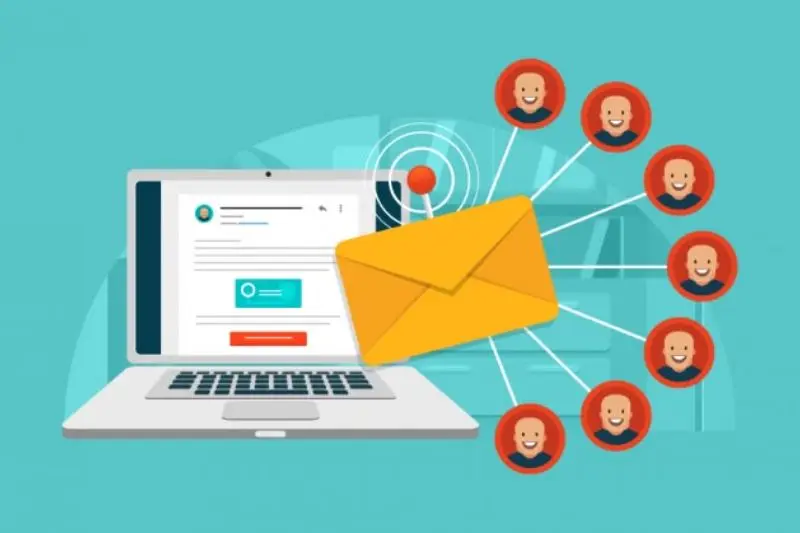
Email marketing is a digital marketing method that involves sending emails to a group of subscribers or customers to share information, promote products, provide updates, or build relationships.
Businesses use email marketing for many purposes, including:
- Introducing new products or services
- Sharing educational content
- Sending special offers
- Improving customer relationships
- Increasing website visits
- Encouraging repeat purchases
Unlike traditional advertising, email marketing focuses on communication with people who have already shown interest in a brand. Subscribers usually join an email list because they want updates, discounts, or useful information.
A strong email marketing strategy includes several important elements:
- A quality subscriber list
- Clear campaign goals
- Valuable email content
- Attractive design
- Effective calls to action
- Performance tracking
- For example, an online clothing store may send welcome emails to new subscribers, product recommendations to existing customers, and seasonal promotions to interested buyers. Each message has a specific purpose and audience.
Why is Email Marketing Important?
- Email marketing is important because it helps businesses communicate directly with their audience without depending completely on social media platforms or paid advertising.
- One major advantage is personalization. Companies can create messages based on customer preferences, previous purchases, location, or online behavior. This creates a more relevant experience for the reader.
- Another reason email marketing matters is cost efficiency. Compared with many traditional marketing methods, email campaigns can reach thousands of people with relatively low expenses.
- Effective email marketing helps businesses:
- Build stronger customer relationships
Increase customer retention
Improve brand trust
Generate more sales opportunities
Deliver personalized experiences
Measure marketing performance - For example, a software company can send helpful tips to users after they sign up. This keeps customers engaged and encourages them to continue using the service.
- Email marketing also provides valuable data. Marketers can measure open rates, clicks, conversions, and subscriber behavior. These insights help improve future campaigns.
Detailed Step-by-Step Guide to Email Marketing Best Practices
1. Build a Quality Email List
The foundation of successful email marketing is a strong subscriber list. A large list does not always mean better results. Quality matters more than quantity.
Focus on attracting people who genuinely want to receive your emails.
Effective ways to grow your list include:
- Creating valuable signup offers
- Adding subscription forms to your website
- Offering useful guides or resources
- Providing exclusive discounts
- Using clear signup messages
Avoid buying email lists. Purchased lists often contain uninterested users and may damage your sender reputation.
A smaller list of engaged subscribers can produce better results than thousands of inactive contacts.
2. Understand Your Audience
Knowing your audience helps you create emails that feel relevant and useful.
Before creating campaigns, consider:
- Who are your subscribers?
- What problems do they have?
- What type of information do they need?
- What motivates them to take action?
Audience research allows marketers to create better messages.
For example, a fitness brand may send different emails to beginners and advanced athletes because their needs are different.
3. Create Attention-Grabbing Subject Lines
The subject line is the first thing people see. A strong subject line encourages subscribers to open the email.
Good subject lines are:
- Clear
- Short
- Interesting
- Relevant
Examples:
Weak: “Our Latest Update”
Better: “5 Simple Ways to Improve Your Marketing Results”
Avoid misleading subject lines because they reduce trust and increase unsubscribes.
4. Write Valuable Email Content
The best email marketing campaigns provide value before asking customers to buy something.
Your content should educate, inform, or entertain readers.
Good email content may include:
- Helpful tips
- Industry updates
- Product guides
- Customer stories
- Special promotions
A useful structure is:
- Start with a clear introduction
- Explain the main benefit
- Provide helpful information
- Add a simple call to action
Keep paragraphs short and make the email easy to read.
5. Personalize Your Emails
Personalization improves the customer experience by making emails more relevant.
Simple personalization methods include:
- Using the subscriber’s name
- Recommending products based on interests
- Sending birthday offers
- Creating location-based messages
Advanced email marketing strategies use customer data to deliver highly targeted content.
However, personalization should feel natural. Too much personal information can make readers uncomfortable.
6. Optimize Email Design
A well-designed email improves readability and engagement.
Important design practices include:
- Using mobile-friendly layouts
- Choosing readable fonts
- Adding clear headings
- Including attractive visuals
- Keeping the design simple
Many people read emails on mobile devices, so responsive design is essential.
A cluttered email can cause readers to lose interest quickly.
7. Use Strong Calls to Action
Every email should have a clear goal.
A call to action tells readers what to do next.
Examples include:
- Shop now
- Learn more
- Download the guide
- Register today
- Start your free trial
Make your call to action visible and easy to understand.
8. Test and Improve Campaigns
Successful email marketing requires continuous improvement.
Track important metrics such as:
- Open rates
- Click-through rates
- Conversion rates
- Unsubscribe rates
Testing different elements can improve performance.
You can test:
- Subject lines
- Email designs
- Sending times
- Content styles
Small improvements can create significant results over time.
Benefits of Email Marketing
Email marketing provides many advantages for businesses and marketers.
Key benefits include:
- Direct communication: Businesses can reach customers without relying on external platforms.
- Affordable marketing: Email campaigns are often cheaper than many advertising methods.
- Better customer relationships: Regular communication builds trust and loyalty.
- Higher personalization: Messages can match customer interests and behaviors.
- Improved sales opportunities: Promotional emails can encourage purchases.
- Measurable results: Analytics help marketers understand campaign performance.
- Brand awareness growth: Consistent emails keep businesses memorable.
A well-planned email marketing strategy can support long-term business growth.
Disadvantages and Risks of Email Marketing
Although email marketing is powerful, it also has some challenges.
Common risks include:
- Email overload: Sending too many messages may annoy subscribers.
- Low engagement: Poor content can result in fewer opens and clicks.
- Spam complaints: Irrelevant emails may damage sender reputation.
- List management challenges: Maintaining accurate subscriber data requires effort.
- Design problems: Emails that do not work well on devices may lose readers.
- Privacy concerns: Businesses must handle customer information responsibly.
To avoid these issues, marketers should focus on permission-based communication and valuable content.
Common Mistakes to Avoid
Many businesses make mistakes that reduce the effectiveness of their campaigns.
Some common mistakes include:
Sending Emails Without Permission
Always send emails to people who have chosen to subscribe. Unwanted emails can hurt your reputation.
Ignoring Mobile Users
A large percentage of readers view emails on smartphones. Emails should always be mobile-friendly.
Focusing Only on Sales
Constant promotions can make subscribers lose interest. Balance promotional content with helpful information.
Using Weak Subject Lines
A boring subject line can prevent people from opening your message.
Not Cleaning Email Lists
Remove inactive or invalid subscribers regularly to improve campaign performance.
Forgetting to Analyze Results
Without tracking results, marketers cannot understand what works and what needs improvement.
FAQs
What are the most important email marketing best practices?
The most important practices include building a quality subscriber list, creating valuable content, personalizing messages, optimizing designs, and tracking performance. A successful campaign focuses on providing value rather than only promoting products.
How often should businesses send marketing emails?
The ideal frequency depends on your audience and industry. Some businesses send weekly emails, while others communicate several times per month. The goal is to stay consistent without overwhelming subscribers.
How can I increase email open rates?
Improve open rates by writing strong subject lines, sending relevant content, maintaining a clean subscriber list, and choosing appropriate sending times. Testing different approaches can reveal what works best.
Is email marketing still effective?
Yes, email marketing remains highly effective because it allows direct communication with interested customers. Businesses can use it to build relationships, share information, and increase conversions.
What makes an email campaign successful?
A successful campaign combines good planning, useful content, attractive design, personalization, and clear goals. Every email should serve a purpose for the reader.
How do beginners start email marketing?
Beginners should start by choosing an email platform, building a subscriber list, understanding their audience, creating valuable emails, and analyzing results to improve future campaigns.
Expert Tips and Bonus Points
- Experienced marketers often follow a few additional strategies to improve results.
- First, focus on quality over quantity. A smaller group of engaged subscribers is more valuable than a large inactive list.
- Second, create automated email sequences. Welcome emails, abandoned cart reminders, and follow-up messages can improve customer experiences while saving time.
- Third, maintain a consistent brand voice. Subscribers should recognize your emails immediately through your writing style, colors, and messaging.
- Fourth, always test your campaigns. Even small changes in wording, layout, or timing can improve results.
- Finally, respect your audience’s inbox. Every email should provide a reason for subscribers to continue opening your messages.
Conclusion

- Email marketing continues to be one of the most reliable tools for building customer relationships and growing businesses. However, success does not come from simply sending frequent messages. It requires a thoughtful strategy based on understanding your audience, creating valuable content, and following proven email marketing best practices.
- A strong campaign begins with a quality subscriber list and continues with engaging subject lines, useful information, personalized messages, and clear calls to action. Businesses that focus on helping their audience instead of only promoting products can create stronger connections and long-term loyalty.
- While challenges such as low engagement and spam risks exist, they can be managed through careful planning and continuous improvement. Regular testing and performance analysis help marketers understand what their audience prefers.
- For beginners and experienced marketers alike, email marketing offers an opportunity to communicate directly with customers and achieve measurable results. By applying the strategies covered in this guide, businesses can create effective campaigns that increase trust, engagement, and conversions.
- The future of digital communication will continue to evolve, but valuable and customer-focused emails will remain an important part of successful marketing strategies.
