
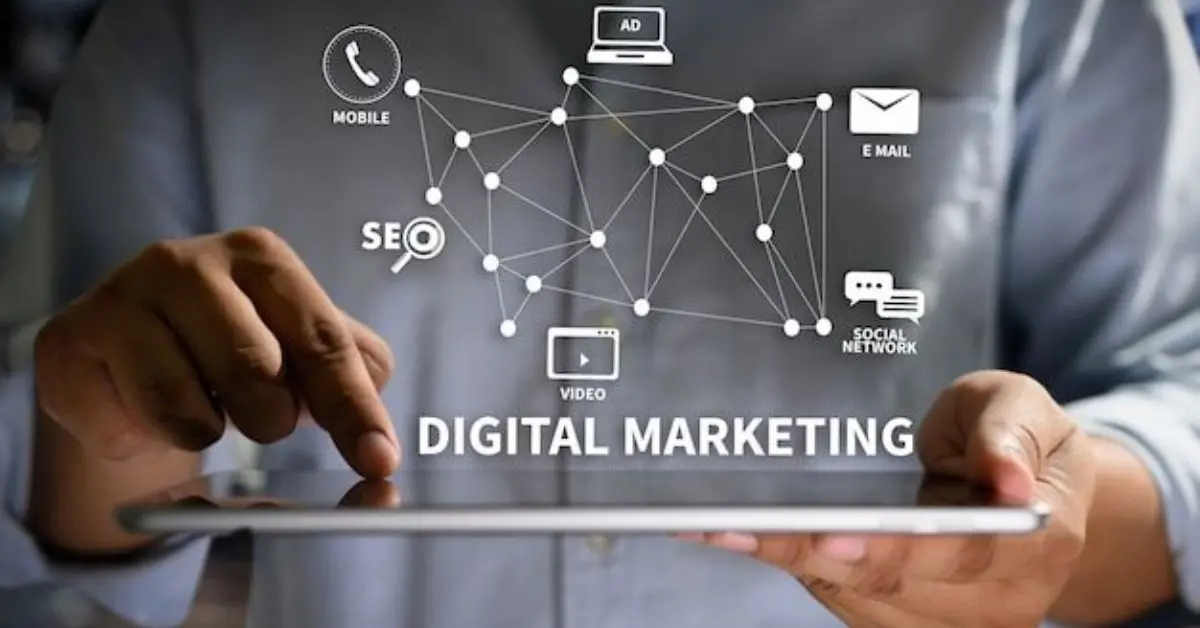
Introduction
- The world of digital marketing has changed faster than ever before. A few years ago, businesses mainly focused on basic online strategies such as creating websites, publishing blog posts, running advertisements, and maintaining social media pages. Today, the digital space has become far more competitive. Customers expect personalized experiences, quick responses, valuable content, and meaningful interactions with brands. To meet these growing expectations, marketers are turning toward advanced technologies that can improve efficiency and deliver better results.
- One of the biggest developments shaping the future of online marketing is the rise of AI tools for digital marketing. These tools are helping businesses understand audiences, automate repetitive tasks, improve campaigns, and make smarter decisions based on data. Whether it is a small business owner trying to attract new customers or a marketing professional managing multiple campaigns, AI-powered solutions are becoming valuable resources for achieving better outcomes.
- In simple terms, AI tools for digital marketing use intelligent systems to analyze information, identify patterns, and assist with different marketing activities. They can support tasks like keyword research, content planning, social media management, customer analysis, email marketing, advertising optimization, and performance tracking. Instead of spending hours completing repetitive tasks manually, marketers can use these tools to work faster and focus more on strategy and creativity.
- However, the importance of these tools goes beyond saving time. Modern marketing is no longer about sending the same message to everyone. Customers want brands to understand their needs and provide relevant solutions. AI technology helps marketers study customer behavior, preferences, and interests so they can create campaigns that feel more personal and effective.
- For example, a company selling fitness products may use intelligent marketing tools to understand what type of content attracts its audience. The business can discover which topics customers search for, what products they are interested in, and which messages encourage them to take action. These insights allow marketers to create better experiences and build stronger relationships with their audience.
- Another reason AI tools for digital marketing are becoming essential is the increasing amount of data available online. Every day, businesses collect information from websites, social media platforms, advertisements, and customer interactions. Analyzing this information manually can be difficult and time-consuming. AI-based systems can process large amounts of data quickly and provide useful insights that help businesses improve their strategies.
- For beginners entering the digital marketing field, understanding these tools can create new opportunities. Many people assume that advanced marketing technology is only for large companies with big budgets. However, many modern solutions are designed for individuals, startups, and small businesses. With the right approach, even beginners can use these tools to improve content quality, organize campaigns, and reach their target audience more effectively.
- Intermediate marketers can also benefit significantly from AI technology. Instead of replacing existing skills, these tools can enhance them. A skilled marketer can use AI insights to identify trends, test new ideas, and improve campaign performance. The combination of human experience and intelligent technology often creates stronger marketing strategies.
- Content creation is one area where AI has made a noticeable impact. Creating high-quality content consistently requires research, planning, writing, editing, and optimization. Marketing tools can help generate ideas, organize topics, improve readability, and identify opportunities for better engagement. However, successful content still depends on creativity, originality, and a deep understanding of the audience.
- Search engine optimization is another important area where AI tools are changing how marketers work. SEO involves many steps, including keyword research, competitor analysis, content improvement, and performance tracking. Intelligent tools can simplify these processes by finding patterns and providing recommendations. This allows marketers to spend more time creating valuable content and improving user experience.
- Social media marketing has also become more advanced with the help of automation and data analysis. Businesses now need to manage multiple platforms, respond to customers, track engagement, and maintain a consistent posting schedule. AI solutions can help organize these activities, identify popular trends, and provide insights into audience behavior.
- Email marketing is another field where personalization has become extremely important. Sending the same message to every customer often produces weak results. AI tools for digital marketing can help businesses divide audiences into groups, understand customer preferences, and deliver more relevant messages. A well-planned email campaign can improve engagement and encourage customers to return.
- Despite the many advantages, it is important to understand that AI technology is not a replacement for human creativity and decision-making. These tools are powerful assistants, but they still require proper direction. A marketer must understand the brand, audience, and goals before using any technology effectively.
- There are also challenges that come with using AI tools. Businesses need to be careful about data privacy, accuracy, and maintaining a genuine brand voice. Automated suggestions may not always be perfect, and relying completely on technology can lead to content that feels less personal. The best approach is to combine automation with human judgment.
- As digital competition continues to grow, businesses that adapt to new marketing technologies will have a stronger chance of success. AI tools for digital marketing provide opportunities to improve productivity, understand customers, and create better campaigns. However, the real advantage comes from knowing how to use these tools strategically.
- The future of digital marketing will likely involve even more automation, smarter analytics, and personalized customer experiences. Marketers who learn how to work alongside advanced technology will be better prepared for future changes. By understanding the benefits, limitations, and practical uses of AI tools for digital marketing, beginners and experienced professionals can build stronger marketing strategies and achieve long-term growth.
- This guide explores everything you need to know about these tools, including their importance, practical applications, benefits, risks, common mistakes, and expert recommendations. Whether you are starting your marketing journey or looking to improve existing campaigns, learning how to use these solutions effectively can help you stay competitive in the modern digital landscape.
What is AI Tools for Digital Marketing?
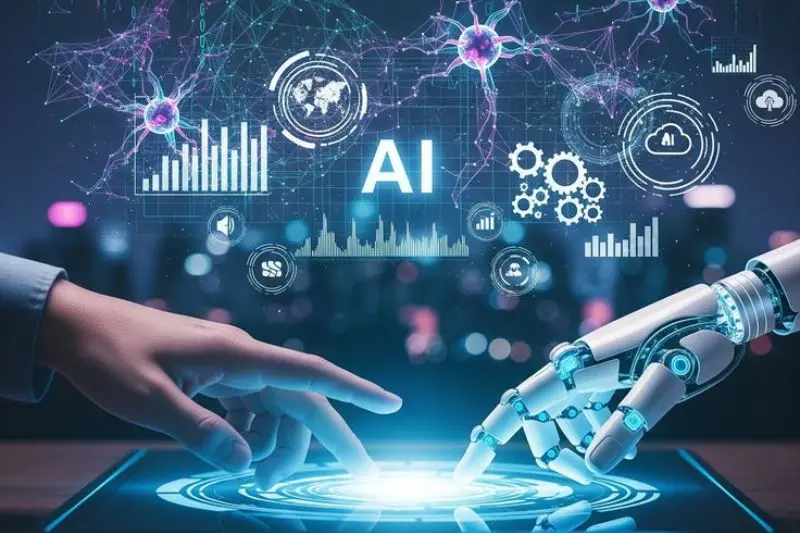
- AI tools for digital marketing are software solutions that use artificial intelligence technologies to help marketers complete tasks faster and make better decisions. These tools analyze information, recognize patterns, automate processes, and provide useful insights.
- In simple words, these tools act as digital assistants for marketing activities. They can help businesses understand their audience, improve online visibility, and create more effective campaigns.
Examples of AI applications in marketing include:
- Content creation assistance
- Search engine optimization analysis
- Customer behavior prediction
- Social media management
- Email personalization
- Advertising optimization
- Data analysis
- Market research
AI tools for digital marketing are designed to handle repetitive work while allowing marketers to focus on strategy and creativity.
For example, a marketer may use an AI-based analytics tool to identify which type of content performs best. A business owner may use automation software to organize customer messages. An SEO professional may use intelligent research tools to discover content opportunities.
The purpose is not to remove human involvement. Instead, these tools help marketers work more efficiently and make informed decisions.
Why Are AI Tools for Digital Marketing Important?

Modern customers expect fast responses, personalized experiences, and valuable information. Meeting these expectations manually can be difficult, especially for small teams.
AI tools for digital marketing are important because they help businesses manage large amounts of information and improve customer experiences.
Some major reasons include:
- Better Customer Understanding
AI systems can analyze customer interactions, preferences, and online behavior. This helps marketers understand what audiences want and create more relevant campaigns.
- Time Savings
Marketing involves many repetitive tasks. Automation can reduce the time spent on reporting, scheduling, research, and organization.
- Improved Decision Making
Data-driven decisions usually produce stronger results. AI-powered analytics can reveal trends that may be difficult to notice manually.
- Personalization
Customers respond better to messages that feel relevant. AI can help businesses personalize emails, advertisements, and recommendations.
- Competitive Advantage
Companies using modern marketing technology can often adapt faster than competitors who depend only on traditional methods.
Detailed Step-by-Step Guide to Using AI Tools for Digital Marketing
Step 1: Identify Your Marketing Goals
Before selecting any tool, define what you want to achieve.
Possible goals include:
- Increasing website traffic
- Improving search rankings
- Growing social media engagement
- Generating more leads
- Increasing sales
- Improving customer retention
Clear goals help you choose the right technology instead of wasting resources.
Step 2: Analyze Your Audience
Understanding your audience is the foundation of successful marketing.
AI-based audience tools can help identify:
- Customer interests
- Buying patterns
- Preferred content types
- Common questions
- Online activity
For example, a clothing brand can analyze customer preferences and create campaigns based on popular styles, seasons, and purchasing habits.
Step 3: Improve Content Strategy
Content marketing requires planning and consistency. AI tools can support content research, idea generation, editing, and optimization.
A strong content process includes:
- Finding relevant topics
- Understanding audience needs
- Creating useful information
- Improving readability
- Tracking performance
Marketers should always review and improve content to maintain quality.
Step 4: Use AI for SEO Improvement
Search engine optimization involves many activities, including keyword research, competitor analysis, and content optimization.
AI-powered SEO tools can help marketers:
- Discover keyword opportunities
- Analyze search trends
- Identify content gaps
- Improve website structure
- Monitor performance
Using AI tools for digital marketing in SEO can make research faster, but human judgment is still necessary to choose valuable topics.
Step 5: Enhance Social Media Marketing
Social media requires regular posting, audience interaction, and performance tracking.
AI solutions can assist with:
- Content scheduling
- Caption suggestions
- Trend analysis
- Engagement tracking
- Audience insights
A business can use these insights to understand which posts create the most interaction.
Step 6: Improve Email Marketing
Email marketing becomes more effective when messages are personalized.
AI can help marketers:
- Segment audiences
- Recommend content
- Analyze open rates
- Improve campaign timing
- Automate follow-ups
A personalized email often creates a stronger connection than a generic message.
Step 7: Measure Results
Every marketing campaign needs evaluation.
Important metrics include:
- Website visits
- Conversion rates
- Customer engagement
- Sales results
- Return on investment
AI analytics tools can organize data and help marketers understand what is working and what needs improvement.
Benefits of AI Tools for Digital Marketing
AI tools offer many advantages when used correctly.
Key benefits include:
- Faster marketing workflows
- Better customer insights
- Improved personalization
- More accurate data analysis
- Reduced repetitive tasks
- Stronger campaign performance
- Better content planning
- Easier reporting
- Improved customer service
- More efficient decision-making
For small businesses, AI can provide access to marketing capabilities that previously required large teams.
For experienced marketers, these tools can increase productivity and allow more focus on creative strategy.
Disadvantages and Risks
Although AI provides many opportunities, it also has limitations.
Common risks include:
- Overdependence on automation
- Lack of human creativity
- Incorrect data interpretation
- Privacy concerns
- Generic content problems
- Need for regular monitoring
- Possible loss of personal brand voice
AI-generated suggestions may not always match a company’s values or audience expectations. Every result should be reviewed before publishing.
Another concern is that businesses may focus too much on technology and ignore genuine customer relationships. Marketing still depends on trust, emotions, and communication.
Common Mistakes to Avoid
Many beginners make mistakes when using marketing technology.
Using Tools Without Strategy
A tool cannot replace a clear marketing plan. Always decide what problem you want to solve first.
Ignoring Human Review
Content and campaigns should be checked for accuracy, tone, and quality.
Choosing Too Many Tools
Using many platforms at once can create confusion. Start with tools that solve your biggest challenges.
Forgetting Customer Needs
Marketing should focus on helping customers, not only increasing numbers.
Expecting Instant Results
Technology improves efficiency, but growth still requires patience and consistent effort.
FAQs
What are AI tools for digital marketing used for?
They are used for tasks such as content planning, SEO research, customer analysis, advertising optimization, social media management, and marketing automation. They help marketers save time and improve decisions.
Can beginners use AI tools for digital marketing?
Yes. Many tools are designed for beginners. Users can start with simple features such as content assistance, analytics, and scheduling before exploring advanced options.
Do AI tools replace digital marketers?
No. These tools support marketers by handling repetitive tasks and providing insights. Human creativity, strategy, and communication skills remain important.
Are AI marketing tools expensive?
Costs vary depending on the platform and features. Many solutions offer affordable plans or basic versions suitable for small businesses.
How can AI improve SEO?
AI can help analyze keywords, identify content opportunities, track trends, and improve optimization strategies. However, marketers should still focus on useful and valuable content.
Are AI tools safe for businesses?
They can be safe when used carefully. Businesses should review privacy settings, protect customer information, and avoid sharing sensitive data unnecessarily.
Expert Tips and Bonus Points
To get the best results from AI tools for digital marketing, follow these practices:
- Start with one clear objective
- Combine automation with creativity
- Review all generated ideas
- Track performance regularly
- Focus on customer value
- Keep learning about new features
- Test different approaches
A successful marketer uses technology as a helper, not as the entire strategy.
Small improvements can create major results over time. For example, improving email personalization, creating better content plans, or understanding audience behavior can gradually increase conversions.
Businesses should also remember that marketing trends change quickly. Continuous learning helps marketers stay competitive.
Conclusion

- AI tools for digital marketing have become an important part of the modern business environment. As competition continues to increase across online platforms, businesses need smarter ways to connect with customers, understand their behavior, and improve their marketing efforts. These tools provide valuable support by helping marketers analyze data, automate repetitive tasks, improve content strategies, and create more personalized experiences.
- The biggest advantage of using AI tools for digital marketing is the ability to work more efficiently. Tasks that once required hours of manual effort can now be completed faster, allowing marketers to focus on planning, creativity, and building meaningful customer relationships. From improving SEO strategies and managing social media campaigns to analyzing customer preferences and optimizing advertisements, these tools can support almost every area of digital marketing.
- However, technology alone does not guarantee success. A successful marketing strategy still requires human creativity, critical thinking, and a strong understanding of customer needs. AI can provide suggestions and insights, but marketers must decide how to use those resources effectively. Businesses that combine intelligent tools with thoughtful strategies are more likely to create campaigns that feel authentic and deliver better results.
- For beginners, the best way to start using AI tools for digital marketing is by focusing on specific goals. Instead of trying every available solution, choose tools that solve real problems, such as improving content planning, understanding website performance, or organizing customer communication. Learning gradually allows marketers to understand what works and avoid unnecessary complexity.
- For intermediate professionals, these tools offer opportunities to improve existing skills. They can help identify trends, measure campaign performance, discover new opportunities, and make better decisions based on information rather than assumptions. When used properly, AI technology becomes a powerful partner that enhances marketing abilities.
- Businesses should also remember the importance of balance. Overusing automation can make marketing feel less personal, while ignoring new technology can make it harder to compete. The most effective approach is to use AI as a support system while keeping human ideas, emotions, and creativity at the center of every campaign.
- The future of digital marketing will continue to evolve with advances in technology. Customer expectations will keep changing, and businesses will need to adapt quickly. Those who understand how to use AI tools for digital marketing responsibly will have an advantage in creating stronger connections, improving performance, and achieving sustainable growth.
- Ultimately, these tools are not just about automation. They are about making marketing smarter, faster, and more customer-focused. By combining the power of technology with human expertise, businesses can create better experiences and build stronger digital success over time.
