
Introduction
- Pay-Per-Click (PPC) Advertising has become one of the most important digital marketing strategies for businesses looking to increase online visibility, attract potential customers, and generate measurable results. In today’s competitive online world, simply having a website or social media presence is no longer enough. Businesses need effective methods to reach the right audience, and PPC advertising provides a direct way to connect with people who are actively searching for products, services, or solutions.
- Unlike traditional advertising methods, where companies often pay for exposure without knowing the exact results, PPC advertising works on a performance-based model. Advertisers only pay when someone interacts with their advertisement by clicking on it. This approach allows businesses to control their spending, measure campaign performance, and make informed decisions based on real data.
- For beginners, the idea of running paid advertising campaigns may seem overwhelming at first. Terms like keywords, bidding, ad groups, conversion rates, and cost per click can appear complicated. However, once the basic concepts are understood, PPC advertising becomes a practical and powerful tool that can support almost any marketing goal.
- Whether you are a small business owner, an entrepreneur, a marketer, or someone interested in digital marketing, learning how PPC works can open new opportunities. It allows you to promote products, increase website traffic, collect leads, and improve sales without waiting months for results.
- One of the biggest reasons businesses invest in PPC advertising is speed. Organic marketing methods, such as search engine optimization, often require time and consistent effort before producing noticeable results. While organic strategies remain valuable, PPC provides immediate visibility by placing advertisements in front of potential customers at the exact moment they are searching for something relevant.
- For example, consider a person searching online for “affordable office furniture.” A company selling office furniture can create a PPC advertisement targeting that keyword. If the campaign is properly optimized, the advertisement can appear near the top of search results, giving the business a chance to attract a customer who already has interest in buying.
- This level of timing and relevance makes PPC advertising extremely effective. Instead of showing advertisements randomly to large audiences, businesses can focus on users who have already shown interest through their search behavior, online activity, or demographic information.
- Another important feature of PPC advertising is its ability to provide detailed performance data. Every click, impression, and conversion can be measured. This information helps advertisers understand what is working and what needs improvement.
- For example, a business may discover that one advertisement receives many clicks but very few sales. This could indicate a problem with the landing page, the audience targeting, or the message used in the advertisement. On the other hand, another advertisement may generate fewer clicks but more customers. By analyzing this information, businesses can improve their campaigns and use their budgets more effectively.
- PPC advertising is also flexible, making it suitable for businesses of different sizes. A small company can start with a limited budget, test different strategies, and gradually increase spending as results improve. Large companies can use advanced campaigns to target multiple markets, promote different products, and compete for valuable keywords.
- There are many forms of PPC advertising available today. Search engine ads are among the most popular because they appear when users actively search for information. Display advertisements use images and banners to promote products across websites. Social media advertising allows businesses to target users based on interests, behaviors, and personal preferences. Shopping advertisements are commonly used by online stores to showcase products directly in search results.
- Each type of PPC campaign serves a different purpose. Choosing the right format depends on the business objective, target audience, and marketing strategy. A company focused on online sales may benefit from product advertisements, while a service-based business may prefer search campaigns designed to generate customer inquiries.
- However, successful PPC advertising is not simply about creating an advertisement and spending money. A strong campaign requires careful planning and continuous improvement. Businesses need to research keywords, understand customer needs, write compelling ad messages, create useful landing pages, and monitor performance regularly.
- Many beginners make the mistake of thinking that higher spending automatically leads to better results. In reality, effective PPC advertising depends on strategy. A well-planned campaign with a smaller budget can often outperform a poorly managed campaign with a much larger investment.
- Keyword selection is one of the most important parts of PPC advertising. Keywords determine when and where advertisements appear. Choosing highly relevant keywords helps businesses reach users who are more likely to become customers. At the same time, using irrelevant keywords can waste money by attracting people who have no interest in the offer.
- Another important factor is understanding customer intent. Not every search represents the same level of buying interest. Someone searching for “what is a laptop” may simply want information, while someone searching for “buy gaming laptop online” may be ready to purchase. Successful PPC campaigns consider these differences and create advertisements that match user needs.
- PPC advertising also works well alongside other digital marketing strategies. Many businesses combine paid advertising with SEO, content marketing, email marketing, and social media campaigns to create a complete online marketing approach. PPC can provide immediate traffic while other strategies help build long-term growth.
- As the digital landscape continues to change, businesses must adapt to new customer behaviors and marketing trends. Consumers now expect quick answers, relevant recommendations, and smooth online experiences. PPC advertising helps brands meet these expectations by delivering targeted messages when they matter most.
- This complete PPC advertising guide will help beginners and intermediate learners understand the fundamentals of paid advertising. It covers how PPC works, why it is important, the steps required to create successful campaigns, the benefits and challenges, common mistakes to avoid, and expert tips for better results.
- By understanding the principles behind PPC advertising, businesses can make smarter marketing decisions, reduce wasted spending, and create campaigns that deliver meaningful results. With the right approach, PPC can become one of the most valuable tools for growing an online presence and reaching the right customers.
What is Pay-Per-Click (PPC) Advertising?
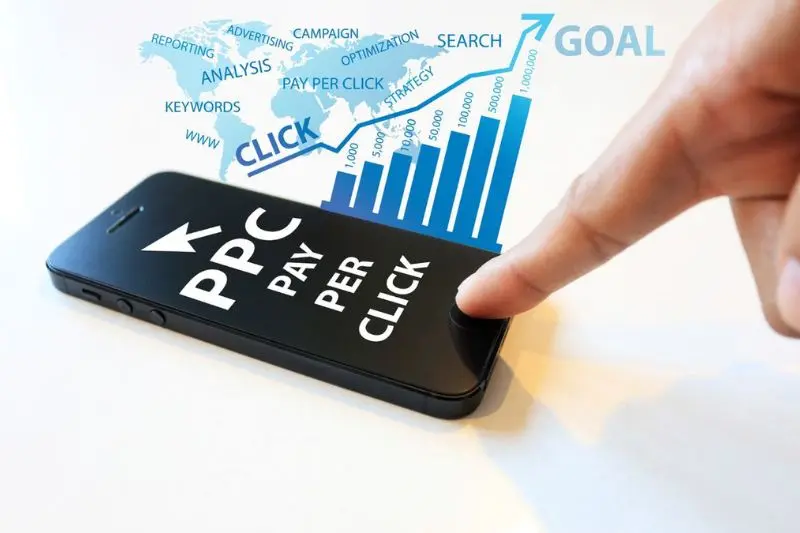
- Pay-Per-Click Advertising is a digital marketing model where advertisers pay a specific amount whenever a user clicks on their online advertisement. Instead of paying for general exposure, businesses pay only for actual visits or actions generated through their ads.
- PPC advertising usually appears on search engines, social media platforms, websites, and other digital channels. When users search for specific terms, advertisers can bid to show their ads at the top of search results.
- For example, imagine someone searches for “best running shoes online.” A sports store using PPC advertising can create an ad that appears above organic search results. If the user clicks the ad, the store pays a fee to the advertising platform.
The most common types of PPC campaigns include:
- Search ads: Text-based ads shown on search engine results pages.
- Display ads: Visual banner ads shown across websites.
- Social media ads: Paid promotions appearing on social platforms.
- Shopping ads: Product-based ads showing images and prices.
- Video ads: Advertisements displayed before or during videos.
PPC advertising works through an auction system. Advertisers choose keywords related to their products or services and set bids for those keywords. The advertising platform then decides which ads appear based on factors such as bid amount, ad quality, relevance, and expected performance.
A successful PPC campaign is not only about spending more money. It requires strategic planning, keyword research, appealing advertisements, and continuous optimization.
Why is Pay-Per-Click Advertising Important?
- PPC advertising is important because it helps businesses connect with their target audience quickly and efficiently. In a competitive online environment, simply having a website is often not enough. Businesses need ways to attract visitors, and PPC provides a direct path to potential customers.
- One major advantage of PPC advertising is immediate visibility. Unlike organic search optimization, which can take months to show results, PPC campaigns can start bringing traffic almost instantly after launch.
PPC is also valuable because it offers precise targeting options. Advertisers can choose who sees their ads based on:
- Location
- Age group
- Interests
- Search behavior
- Device type
- Time of day
This level of control helps businesses avoid wasting money on audiences that are unlikely to convert.
Another reason PPC advertising matters is measurement. Advertisers can track important data such as:
- Number of clicks
- Cost per click
- Conversion rates
- Customer actions
- Return on investment
- This information allows businesses to improve campaigns and make smarter marketing decisions.
- For example, if an online clothing store notices that one keyword generates many sales while another only creates clicks, the business can increase spending on the better-performing keyword.
- PPC advertising also supports other marketing efforts. It can help promote new products, increase brand recognition, test customer interest, and provide useful data for long-term strategies.
Detailed Step-by-Step Guide to PPC Advertising
Step 1: Define Your PPC Goals
Before creating any PPC campaign, determine what you want to achieve. Clear goals make it easier to measure success and choose the right strategy.
Common PPC goals include:
- Increasing website traffic
- Generating leads
- Increasing online sales
- Promoting a product
- Growing brand awareness
- Getting phone calls or inquiries
A company selling software might focus on generating free trial registrations, while a local service provider might want more customer calls.
Your goal should be specific and measurable. Instead of saying “get more customers,” define a target such as “generate 500 qualified leads in three months.”
Step 2: Understand Your Target Audience
Knowing your audience is essential for successful PPC advertising. Your ads should reach people who are most likely to become customers.
Research your audience by considering:
- Their problems and needs
- Products they search for
- Questions they ask online
- Buying habits
- Preferred platforms
Creating customer profiles helps you write better advertisements and select more effective keywords.
For example, a company selling luxury watches may target different keywords and audiences compared to a company selling affordable fitness watches.
Step 3: Conduct Keyword Research
- Keywords are the foundation of PPC advertising. These are the words and phrases users type into search engines.
- Effective keyword research helps you discover terms that potential customers use when looking for your products.
- Keyword categories include:
- Short-tail keywords
- These are broad phrases with high search volume.
- Example:
“digital camera”
Long-tail keywords
These are more specific phrases with lower competition.
Example:
“best digital camera for beginner photographers”
Long-tail keywords often perform well because they attract users with stronger buying intentions.
When selecting keywords, consider:
- Search volume
- Competition level
- User intent
- Cost per click
- Relevance
Avoid choosing keywords only because they are popular. A keyword should match your business goals.
Step 4: Choose the Right PPC Platform
Different PPC platforms serve different purposes. Selecting the right platform depends on your audience and objectives.
Search advertising is useful when people are actively looking for solutions. Social advertising works well for reaching specific groups and building awareness.
Consider:
- Where your customers spend time
- Your industry
- Your advertising budget
- Your campaign goals
Testing different platforms can help identify where you receive the best results.
Step 5: Create Effective Ad Copy
Your advertisement needs to capture attention quickly. Most users see many ads, so your message should be clear and valuable.
A strong PPC ad usually includes:
- A relevant headline
- A clear benefit
- A strong call-to-action
- Important details
For example:
“Affordable Online Accounting Software”
“Save Time Managing Your Business Finances”
“Start Your Free Trial Today”
Good ad copy focuses on what customers gain rather than simply describing a product.
Step 6: Build a Landing Page
A landing page is the page users reach after clicking your advertisement. A well-designed landing page improves conversion chances.
A strong landing page should have:
- Fast loading speed
- Clear messaging
- Simple navigation
- Mobile-friendly design
- Strong call-to-action
The landing page should match the advertisement. If the ad promises a discount, visitors should immediately see that offer.
A mismatch between ads and landing pages can increase costs and reduce results.
Step 7: Set Your Budget and Bids
Budget management is an important part of PPC advertising. Start with a realistic budget that allows you to test and learn.
Important budgeting factors include:
- Daily spending limits
- Keyword costs
- Competition
- Expected returns
Bidding determines how much you are willing to pay for clicks. Some keywords are cheaper, while competitive keywords may cost significantly more.
Beginners should avoid spending large amounts immediately. Start small, analyze performance, and increase investment in successful campaigns.
Step 8: Monitor and Optimize Campaigns
Launching a PPC campaign is only the beginning. Regular monitoring is necessary to improve performance.
Track metrics such as:
- Click-through rate
- Conversion rate
- Cost per conversion
- Return on ad spend
- Quality score
Optimization may involve:
- Removing poor-performing keywords
- Testing new ad messages
- Adjusting bids
- Improving landing pages
- Refining audience targeting
Successful PPC advertising requires continuous improvement.
Benefits of Pay-Per-Click Advertising
PPC advertising offers many advantages for businesses and marketers.
Fast Results
One of the biggest benefits of PPC advertising is speed. Businesses can generate traffic and visibility shortly after launching a campaign.
Targeted Audience Reach
PPC allows advertisers to reach specific groups based on interests, location, behavior, and search intent.
Budget Control
Advertisers can decide how much they spend daily or monthly, making PPC suitable for different business sizes.
Measurable Performance
PPC provides detailed data that helps businesses understand customer behavior and campaign results.
Increased Sales Opportunities
By reaching users who are already interested in a product or service, PPC can improve the chances of conversions.
Brand Visibility
Even when users do not click an advertisement, seeing a brand repeatedly can improve recognition.
Competitive Advantage
PPC helps businesses appear in important positions where competitors are also trying to attract customers.
Disadvantages and Risks of PPC Advertising
Although PPC advertising is powerful, it also has challenges.
- High competition: Popular keywords can become expensive.
- Budget waste: Poorly managed campaigns can spend money without producing results.
- Requires constant monitoring: PPC campaigns need regular updates.
- Temporary traffic: Traffic usually stops when advertising ends.
- Learning curve: Beginners may need time to understand strategies.
- Click fraud risks: Some clicks may come from irrelevant or invalid sources.
Understanding these risks helps advertisers create better PPC strategies.
Common Mistakes to Avoid
Many beginners make mistakes when starting PPC advertising. Avoiding these errors can save money and improve results.
Ignoring Keyword Research
Using random keywords can attract the wrong audience and increase costs.
Writing Weak Advertisements
Ads without clear benefits or strong messages often receive fewer clicks.
Sending Visitors to Poor Pages
A great advertisement cannot succeed if the landing page does not convince visitors to take action.
Not Tracking Results
Without tracking performance, advertisers cannot know what works.
Setting Unrealistic Expectations
PPC is not a magic solution. It requires testing, patience, and improvement.
Failing to Adjust Campaigns
A campaign should never be left unchanged for long periods. Market trends and customer behavior change constantly.
FAQs
What is PPC advertising in simple terms?
PPC advertising is a marketing method where businesses pay when someone clicks on their advertisement. It helps companies attract visitors, leads, and customers through online platforms.
Instead of paying only for exposure, advertisers pay for actual engagement. This makes PPC easier to measure compared to many traditional advertising methods.
Is PPC advertising suitable for small businesses?
Yes, PPC advertising can work well for small businesses because budgets can be controlled. Small companies can start with limited spending, test campaigns, and increase investment when they see positive results.
A carefully planned campaign can help smaller brands compete with larger businesses.
How much does PPC advertising cost?
The cost of PPC advertising depends on factors such as industry, keywords, competition, and targeting settings.
Some keywords may cost only a small amount per click, while highly competitive keywords may require higher budgets.
The goal is not to find the cheapest clicks but to find clicks that produce valuable results.
How long does it take to see PPC results?
PPC advertising can produce traffic quickly, sometimes immediately after launch. However, improving campaign performance usually requires ongoing testing and optimization.
Initial results help advertisers understand what changes are needed.
What is the difference between PPC and SEO?
PPC advertising involves paying for traffic, while SEO focuses on improving organic search visibility.
PPC provides faster results, while SEO can provide long-term benefits. Many businesses use both strategies together.
Can PPC advertising increase sales?
Yes, PPC advertising can increase sales when campaigns target the right audience with relevant messages.
Success depends on keyword selection, advertisement quality, landing pages, and the overall customer experience.
Expert Tips and Bonus Points
Experienced marketers use several strategies to improve PPC advertising performance.
Test Different Ads
Create multiple versions of advertisements and compare results. Small changes in headlines or messages can create significant improvements.
Focus on Customer Intent
Choose keywords based on what users want to accomplish. Someone searching for “buy laptop online” has a different intent from someone searching “how laptops work.”
Improve Quality Regularly
Better advertisements and landing pages can reduce costs and improve campaign performance.
Use Negative Keywords
Negative keywords prevent ads from appearing for irrelevant searches. This helps protect your budget.
Analyze Competitors
Studying competitor strategies can reveal opportunities and help you create stronger campaigns.
Keep Learning
Digital advertising changes frequently. Staying updated with new tools and strategies improves long-term success.
Conclusion
- Pay-Per-Click Advertising is one of the most valuable digital marketing strategies for businesses that want targeted traffic, measurable results, and faster online growth. When used correctly, PPC allows companies to connect with potential customers at the right time and place.
- A successful PPC advertising campaign requires more than simply creating an advertisement. It involves careful planning, audience research, keyword selection, strong ad writing, effective landing pages, and continuous optimization.
- For beginners, starting with a clear goal and a controlled budget is the best approach. Over time, analyzing data and improving campaigns can lead to better performance and higher returns.
- Although PPC advertising has challenges, the benefits make it a powerful tool for businesses of all sizes. It provides valuable insights into customer behavior and allows marketers to make decisions based on real data.
- Whether your goal is increasing sales, generating leads, or building brand awareness, PPC can support your marketing objectives. With patience, testing, and the right strategy, PPC advertising can become a reliable part of your digital marketing success.
