
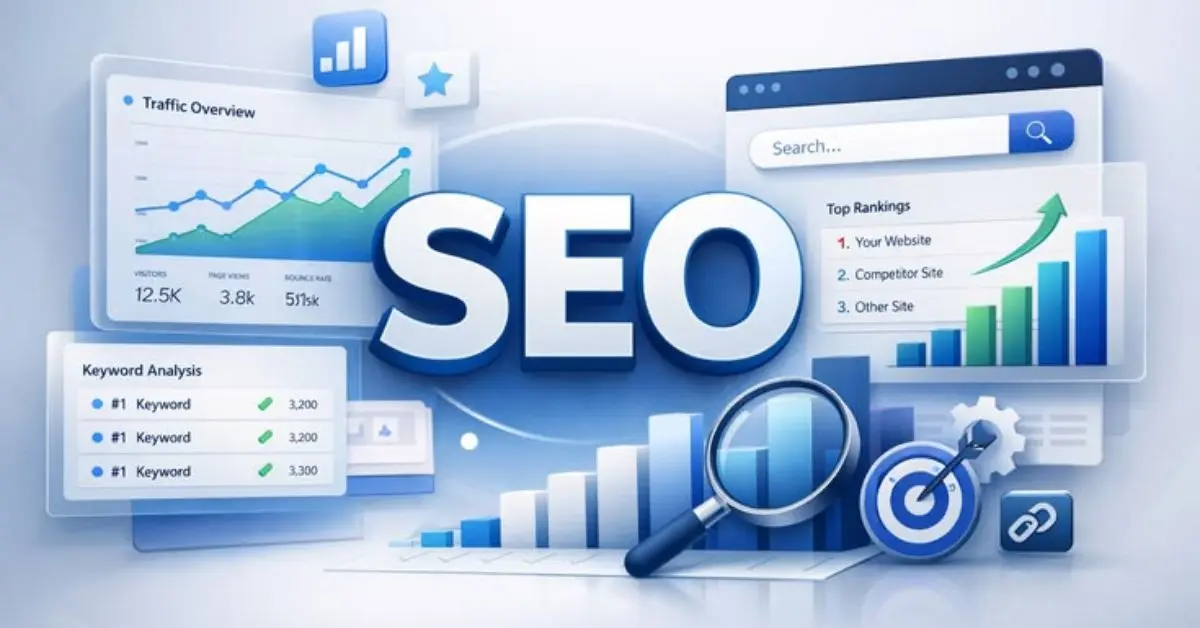
Introduction
- In the modern digital landscape, having a website is only the beginning of building an online presence. Every day, millions of websites compete for attention, making it challenging for businesses, bloggers, and organizations to reach the right audience. A website can contain valuable information, excellent products, or helpful services, but without proper visibility, it may remain unnoticed. This is where Search Engine Optimization (SEO) becomes one of the most important strategies for achieving online success.
- Search Engine Optimization is the process of improving a website so that it becomes easier for search engines and users to understand. When people search for information, products, solutions, or services, search engines analyze countless pages to determine which results are the most useful. A well-optimized website has a greater chance of appearing higher in search results, allowing more people to discover its content.
- For beginners, SEO may seem complicated because it involves different techniques, strategies, and ongoing improvements. However, the basic idea is simple: create a better experience for users while helping search engines recognize the value of your website. From choosing the right keywords to improving website speed and publishing helpful content, every SEO activity contributes to stronger online visibility.
- In the past, many people believed SEO was only about adding keywords to web pages. Today, search engines have become much smarter. They focus on content quality, relevance, website performance, user experience, and trust. This means successful SEO requires a complete approach rather than a single technique. Websites that provide genuine value to visitors are more likely to achieve long-term growth.
- For businesses, SEO is especially valuable because it helps attract potential customers who are already searching for related information. Unlike traditional advertising methods that interrupt people, SEO connects websites with users who have a specific interest or need. For example, someone searching for “best budget smartphones” is already interested in buying or researching smartphones. A website optimized for that search has an opportunity to attract a highly relevant visitor.
- One of the biggest advantages of SEO is that it helps generate organic traffic. Organic traffic refers to visitors who find a website through unpaid search results. While paid advertising can provide quick visibility, SEO can create long-lasting benefits. A well-written article, properly optimized product page, or useful guide can continue attracting visitors months or even years after it is published.
- Another important aspect of SEO is building trust and credibility. Users often associate higher search rankings with authority and reliability. When a website consistently appears in search results and provides helpful information, visitors are more likely to trust the brand behind it. This trust can lead to stronger relationships, increased engagement, and better conversion rates.
- SEO also improves the overall quality of a website. Many optimization techniques focus on making websites faster, easier to navigate, and more accessible. A website that loads quickly, works well on mobile devices, and provides clear information creates a better experience for visitors. Since user experience plays an important role in online success, SEO benefits both search engines and real people.
- For beginners and intermediate learners, understanding SEO opens the door to many digital opportunities. Whether you want to grow a personal blog, promote an online business, improve a company website, or build a career in digital marketing, SEO skills are highly useful. Learning how search engines work and how users search for information allows you to create content with a clear purpose.
- SEO is also a constantly changing field. Search engines regularly update their systems to provide better results for users. This means website owners must continue learning and adapting. Strategies that worked several years ago may not be effective today. Modern SEO focuses on quality, relevance, user satisfaction, and ethical practices.
- A strong SEO strategy usually includes several important areas. Keyword research helps identify what people are searching for. Content optimization ensures that pages provide useful answers. Technical SEO improves website structure and performance. Off-page SEO builds authority through relationships and mentions from other websites. Local SEO helps businesses appear in location-based searches.
- Although SEO requires patience, the results can be significant. Many successful websites achieve growth because they consistently publish useful content and improve their online presence. The goal is not only to rank higher but also to create a website that visitors find valuable.
- This complete SEO guide is designed for beginners and intermediate readers who want to understand the fundamentals of website optimization. It will explain what SEO is, why it matters, how to apply effective techniques, what mistakes to avoid, and how to build a strategy that supports long-term growth.
- By learning the principles of Search Engine Optimization and applying them consistently, anyone can improve their website’s visibility and reach a larger audience. SEO is not a shortcut to instant success, but it is a powerful long-term investment that can help websites grow, compete, and succeed in the digital world.
What is Search Engine Optimization (SEO)?

- Search Engine Optimization (SEO) is the process of improving a website’s visibility in search engine results pages. It involves different techniques that help search engines understand website content and determine its value for users.
- When someone searches for information, products, or services online, search engines analyze thousands of pages to provide the most relevant results. SEO helps your website become one of those trusted results.
SEO includes several important areas:
- On-page SEO: Improving content, headings, keywords, images, and internal links.
- Off-page SEO: Building website authority through external signals such as backlinks.
- Technical SEO: Improving website structure, speed, security, and performance.
- Local SEO: Optimizing a website for location-based searches.
- For example, if someone searches for “best digital marketing tips,” websites with useful, well-optimized content have a better chance of appearing near the top.
- A successful SEO strategy focuses on providing value to users rather than trying to manipulate rankings. Search engines reward websites that offer helpful, accurate, and easy-to-use information.
Why is Search Engine Optimization Important?
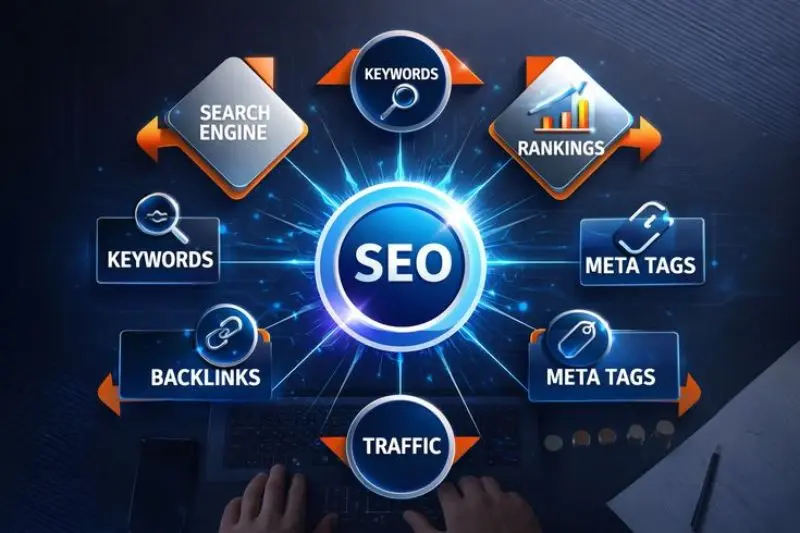
SEO is important because search engines are one of the main ways people discover information online. Without optimization, even high-quality content may remain hidden from potential visitors.
Some major reasons SEO matters include:
1. Increases Website Visibility
Most users click results that appear on the first page of search engines. Higher rankings increase the chances of attracting visitors naturally.
2. Builds Organic Traffic
SEO helps bring unpaid visitors to your website. Unlike paid advertising, organic traffic can continue generating results over time.
3. Improves User Experience
Good SEO practices improve website speed, navigation, readability, and overall usability. A better user experience encourages visitors to stay longer.
4. Creates Brand Trust
Websites appearing higher in search results often receive more trust from users. Consistent visibility helps establish credibility.
5. Supports Business Growth
Businesses can use SEO to reach potential customers, increase leads, and improve online sales without depending completely on advertisements.
Detailed Step-by-Step Guide to Search Engine Optimization
Step 1: Understand Your Audience and Goals
Before starting SEO, understand who you want to reach. Identify your target audience, their needs, and the type of information they search for.
Ask questions such as:
- Who are my ideal visitors?
- What problems do they need to solve?
- What keywords might they search?
- What actions should visitors take?
Clear goals make SEO efforts more focused and effective.
Step 2: Perform Keyword Research
Keyword research is one of the most important parts of SEO. Keywords are words or phrases people type into search engines.
For example:
A person looking for fitness advice may search:
- “home workout plan”
- “weight loss exercises”
- “beginner fitness tips”
Finding the right keywords helps you create content that matches user intent.
Good keyword research focuses on:
- Search relevance
- Competition level
- User interest
- Search intent
Avoid using keywords unnaturally. Modern search engines understand context, so content should always sound natural.
Step 3: Create High-Quality Content
Content is the foundation of SEO. Search engines prefer websites that provide useful and original information.
High-quality content should:
- Answer user questions
- Provide practical solutions
- Be easy to read
- Include accurate information
- Be regularly updated
A good article should not only focus on keywords. It should genuinely help readers.
For example, instead of repeating “SEO guide” many times, explain SEO concepts clearly and naturally.
Step 4: Optimize On-Page SEO Elements
On-page SEO focuses on improving individual pages.
Important elements include:
Title Tags
The title tells search engines and users what a page is about. A strong title should be clear and include the main topic.
Headings
Use headings properly to organize content. H1 should represent the main topic, while H2 and H3 headings divide sections.
Meta Description
A meta description summarizes the page and encourages users to click.
URL Structure
Short and descriptive URLs are easier for users and search engines to understand.
Image Optimization
Images should have descriptive file names and alternative text to improve accessibility and search visibility.
Step 5: Improve Technical SEO
Technical SEO ensures search engines can properly access and understand your website.
Important technical factors include:
- Fast loading speed
- Mobile-friendly design
- Secure website connection
- Proper website structure
- Easy crawling and indexing
A slow website can negatively affect user experience and rankings.
Step 6: Build Quality Backlinks
Backlinks are links from other websites pointing to your website. They can help search engines recognize your website’s authority.
However, quality matters more than quantity.
A few links from trusted websites are often better than many low-quality links.
Ways to earn backlinks include:
- Creating valuable resources
- Publishing original research
- Writing helpful content
- Building industry relationships
Step 7: Monitor and Improve Performance
SEO requires regular improvement. Track results and identify what works.
Important metrics include:
- Organic traffic
- Search rankings
- Click-through rate
- Bounce rate
- Conversion rate
Use performance data to update your strategy.
Benefits of Search Engine Optimization
SEO provides many advantages for websites and businesses.
- More Organic Traffic: SEO attracts visitors without continuous advertising costs.
- Better Online Visibility: Optimized websites appear more often in search results.
- Higher Credibility: Strong rankings improve user trust.
- Long-Term Results: SEO efforts can continue producing benefits over time.
- Improved User Experience: Optimization makes websites easier to use.
- Cost Efficiency: Organic traffic can reduce dependence on paid campaigns.
- Competitive Advantage: Effective SEO helps websites compete in crowded markets.
Disadvantages and Risks of SEO
Although SEO is powerful, it also has challenges.
- Requires Time: SEO usually takes time before noticeable improvements appear.
- Constant Changes: Search engine algorithms regularly change.
- Requires Consistency: Results depend on ongoing effort.
- High Competition: Popular keywords can be difficult to rank for.
- Wrong Techniques Can Hurt Rankings: Poor practices may lead to reduced visibility.
Common Mistakes to Avoid
Many websites fail to achieve SEO success because of avoidable mistakes.
Keyword Stuffing
Using keywords too many times can make content difficult to read and may negatively affect rankings.
Publishing Low-Quality Content
Short, unhelpful, or copied content usually does not perform well.
Ignoring Mobile Optimization
Many users browse through mobile devices, so websites must work properly on all screens.
Forgetting Technical SEO
A beautiful website can still struggle if search engines cannot crawl it properly.
Buying Poor-Quality Links
Artificial or spammy backlinks can damage website reputation.
Not Updating Content
Old information can become less useful. Regular updates help maintain quality.
FAQs
What is SEO in simple words?
SEO is the process of improving a website so search engines can understand it better and show it to users searching for related information.
How long does SEO take to show results?
SEO results vary depending on competition, website quality, and strategy. Some improvements may appear within months, while stronger results often require ongoing effort.
Is SEO important for small businesses?
Yes. SEO helps small businesses compete online by improving visibility and attracting potential customers without relying only on paid advertising.
Can I learn SEO without technical knowledge?
Yes. Beginners can learn SEO fundamentals without coding experience. Technical knowledge helps, but many SEO tasks focus on content and strategy.
What is the difference between SEO and paid advertising?
SEO focuses on earning organic visibility, while paid advertising involves paying for placement. SEO usually provides longer-term benefits.
How often should I update my SEO strategy?
SEO should be reviewed regularly because search trends, competition, and search engine updates change over time.
Expert Tips and Bonus Points
Successful SEO requires patience and a user-focused mindset. Consider these expert recommendations:
- Always create content for people first and search engines second.
- Focus on solving real user problems.
- Use clear formatting with short paragraphs and headings.
- Improve website speed whenever possible.
- Study competitors to understand what works in your industry.
- Keep learning because SEO practices continue evolving.
- Combine content marketing with SEO for stronger results.
A strong SEO strategy is built on consistency. Small improvements made regularly can create significant long-term growth
Conclusion

- Search Engine Optimization is one of the most effective ways to improve a website’s visibility, attract the right audience, and build a strong online presence. In a competitive digital environment where countless websites are fighting for attention, SEO helps businesses, creators, and website owners stand out by making their content easier to discover through search engines.
- A successful SEO strategy is not based on one single action. It is a combination of different practices working together, including keyword research, high-quality content creation, technical improvements, website optimization, and continuous performance monitoring. Each part plays an important role in helping search engines understand a website and connecting users with the information they need.
- For beginners, SEO may initially appear overwhelming because it includes many concepts and techniques. However, the foundation is simple: focus on providing value to users. When websites create helpful, relevant, and easy-to-understand content, they naturally become more useful to both visitors and search engines. The best SEO practices always begin with understanding the audience and solving their problems.
- One of the biggest benefits of SEO is its ability to generate long-term results. Unlike paid campaigns that stop bringing traffic when the budget ends, optimized content can continue attracting visitors over time. A well-planned SEO approach can help websites grow steadily, increase brand awareness, and create opportunities for more engagement and conversions.
- However, SEO requires patience and consistency. Many website owners expect immediate results, but search engine optimization is a long-term process. Rankings, traffic, and authority usually improve gradually as a website earns trust and provides better experiences. Regular updates, content improvements, and technical maintenance are necessary to stay competitive.
- Another important lesson is that SEO is always evolving. Search engines continue improving their algorithms to deliver better results for users. Because of this, successful website owners must stay informed about new trends and focus on strategies that prioritize quality rather than shortcuts. Practices such as keyword stuffing, low-quality content, and artificial link-building methods can damage a website’s reputation and performance.
- For businesses, SEO creates an opportunity to reach people at the exact moment they are searching for products, services, or information. This makes it a valuable digital marketing strategy for increasing visibility and building customer trust. Even small improvements, when applied consistently, can create noticeable growth over time.
- Ultimately, Search Engine Optimization is about creating a better online experience. Websites that combine useful content, strong technical performance, and user-focused strategies are more likely to succeed. By applying the principles discussed in this guide, beginners and intermediate users can develop a strong SEO foundation and work toward lasting digital success. SEO is not just about ranking higher; it is about creating meaningful connections between websites and the people who need them.
