
Introduction
- The world of business and communication has changed dramatically over the past few years. Today, people do not depend only on newspapers, television commercials, or physical advertisements to discover new products and services. Instead, they use search engines, social media platforms, websites, online reviews, and digital communities to find information and make purchasing decisions. This shift has created a powerful opportunity for businesses and individuals to connect with audiences in a more direct and meaningful way through digital marketing.
- For beginners, the idea of digital marketing may initially feel overwhelming because it includes many different areas, such as search engine optimization, content creation, social media management, email campaigns, online advertising, and data analysis. However, digital marketing is not a complicated system that only large companies can understand. It is a collection of practical strategies that anyone can learn and apply with the right knowledge and consistent effort.
- Digital marketing for beginners starts with understanding how people behave online and how businesses can provide value through digital channels. Whether you want to promote a small business, build a personal brand, start freelancing, or develop a new career skill, learning digital marketing can help you achieve your goals. The internet has created a level playing field where even small businesses and individuals can compete with larger companies by creating useful content and building strong relationships with their audience.
- One of the biggest advantages of digital marketing is its ability to reach the right people at the right time. Traditional marketing methods often involve showing advertisements to a broad audience, hoping that some people will be interested. Digital marketing uses data, customer insights, and targeted strategies to create more personalized experiences. For example, a person searching for fitness advice online may discover helpful articles, videos, or products related to their interests. This creates a connection between the customer and the brand before a purchase even happens.
- Another reason digital marketing has become essential is that customers now expect businesses to have an online presence. A company without a website, social media presence, or digital communication strategy may struggle to build trust in today’s competitive environment. People often research businesses before making decisions, and a strong online presence can influence whether they choose one brand over another.
- For beginners, understanding the basics of digital marketing provides valuable skills that apply across many industries. A restaurant can use digital marketing to attract local customers. An online store can use it to increase sales. A freelancer can use it to find clients. Even professionals can use digital marketing principles to improve their personal reputation and career opportunities.
- The best part is that you do not need a large budget to begin. Many digital marketing strategies can be started with little or no financial investment. Creating helpful content, improving website visibility through SEO, engaging with audiences on social media, and building relationships through email marketing are examples of methods that focus more on creativity and consistency than spending money.
- However, successful digital marketing requires more than simply posting content or running advertisements. It involves understanding your audience, identifying their needs, creating valuable solutions, and measuring the results of your efforts. A strong marketer does not guess what customers want. Instead, they study customer behavior, analyze feedback, and adjust strategies based on real information.
- Search engine optimization is one of the first concepts beginners should understand. When people search for information online, search engines decide which pages appear first. SEO helps businesses improve their chances of being discovered by creating useful, relevant, and well-structured content. For example, a beginner photographer who writes helpful articles about camera techniques can attract visitors who are searching for photography advice.
- Content is another important part of digital marketing. Modern audiences do not want constant advertisements. They prefer brands that educate, entertain, and solve problems. A company that shares useful information builds trust and creates stronger relationships with potential customers. This is why blogs, videos, guides, and social media posts have become powerful tools for online growth.
- Social media has also changed the way businesses communicate. Platforms that were once used mainly for personal conversations are now important marketing channels. Businesses can interact with customers, answer questions, share updates, and create communities around their brands. However, successful social media marketing requires understanding each platform and creating content that matches audience expectations.
- Email marketing remains another valuable strategy because it allows direct communication with customers. Unlike social media, where businesses depend on platform algorithms, email provides a direct way to reach people who have already shown interest. A well-planned email campaign can help businesses build loyalty, share useful information, and encourage repeat purchases.
- Paid advertising is also part of digital marketing, allowing businesses to reach specific groups quickly. Online advertisements can be targeted based on factors such as location, interests, and search behavior. While paid ads can produce fast results, beginners should understand the basics before investing large amounts of money. Testing small campaigns and analyzing performance can help avoid unnecessary expenses.
- Digital marketing is also a constantly changing field. New technologies, platforms, and customer habits continue to influence how businesses communicate online. This means marketers must continue learning and adapting. A strategy that works today may need adjustments tomorrow, which makes curiosity and flexibility important skills.
- This guide is designed to help beginners and intermediate learners understand the foundation of digital marketing. It will explain the major concepts, benefits, challenges, common mistakes, and practical steps needed to create successful online strategies. Whether you are completely new to the field or looking to improve your existing knowledge, understanding these fundamentals will give you a strong starting point.
- Digital marketing is not about finding a single shortcut to success. It is about building trust, delivering value, and creating meaningful connections with people. With patience, practice, and the right approach, anyone can learn the skills needed to grow in the digital world. As more businesses continue moving online, digital marketing knowledge will remain one of the most valuable skills for the future.
What is Digital Marketing?
- Digital marketing refers to promoting products, services, brands, or ideas through online channels. Instead of relying only on newspapers, television, or physical advertisements, businesses use digital platforms to reach potential customers where they spend their time.
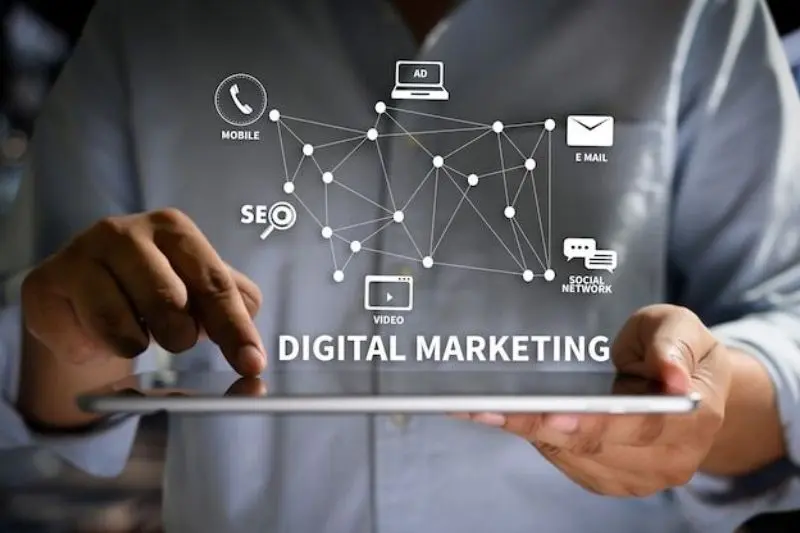
- These platforms include search engines, websites, social media networks, email, mobile applications, and online communities. The main goal is to attract attention, build relationships, and encourage people to take action, such as making a purchase, signing up, or contacting a company.
- For beginners, digital marketing may seem like a huge field, but it is made up of several smaller areas. Each area has a specific purpose and works together to create a complete marketing strategy.
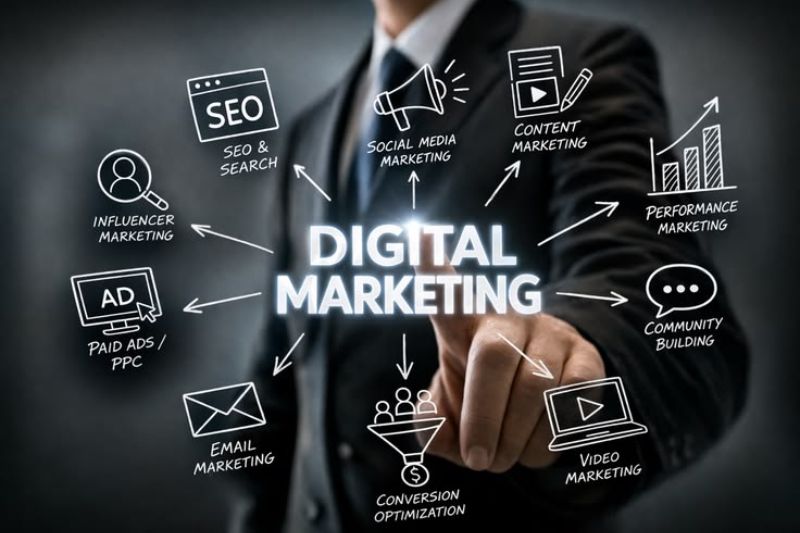
Some major parts of digital marketing include:
- Search engine optimization (SEO), which helps websites appear higher in search results.
- Content marketing, which focuses on creating useful and valuable information.
- Social media marketing, which builds connections through platforms where audiences interact.
- Email marketing, which allows businesses to communicate directly with customers.
- Pay-per-click advertising, which helps brands reach targeted audiences through paid campaigns.
- Affiliate marketing, which allows people to earn commissions by promoting products.
- Digital marketing for beginners starts with understanding these basic areas. You do not need to master everything immediately. Instead, focus on learning one skill at a time and understanding how different strategies support each other.
- For example, a clothing brand may use SEO to appear in search results, create social media posts to attract followers, publish helpful fashion guides, and send emails about new collections. Together, these activities create a complete digital marketing system.
Why is Digital Marketing Important?
- Digital marketing is important because consumers now spend a large amount of time online. Before buying anything, many people search for information, read reviews, compare options, and check recommendations from others.
- Businesses that understand digital marketing can reach customers at the right time with the right message. This makes online promotion more effective and measurable than many traditional methods.
- One major advantage is that digital marketing allows businesses of all sizes to compete. A small company can create useful content and connect with customers without needing the same budget as a large corporation.
- Another reason digital marketing matters is data. Online platforms provide information about customer behavior, interests, and engagement. Marketers can use this information to improve campaigns and make better decisions.
- For beginners, learning digital marketing is valuable because it provides practical skills that apply across many industries. Companies need people who understand online growth, and entrepreneurs need these skills to promote their own projects.
Digital marketing helps with:
- Increasing brand awareness.
- Finding new customers.
- Building customer trust.
- Improving communication.
- Increasing sales opportunities.
- Measuring marketing performance.
As technology continues to develop, digital marketing will remain a powerful tool for connecting businesses and audiences.
Detailed Step-by-Step Guide to Digital Marketing for Beginners
Step 1: Understand Your Target Audience
Before creating any marketing campaign, you need to know who you want to reach. A successful strategy begins with understanding customer needs, interests, challenges, and behaviors.
Ask questions like:
- Who are my ideal customers?
- What problems do they have?
- Where do they spend time online?
- What type of content do they prefer?
Creating a customer profile helps you produce messages that feel relevant. For example, a fitness brand targeting young professionals may focus on quick workout tips, while a luxury brand may focus on premium experiences.
Audience research prevents random marketing decisions and helps you use your resources wisely.
Step 2: Build a Strong Online Presence
Your online presence is the foundation of digital marketing. This usually starts with a professional website that explains your products, services, or brand.
A good website should:
- Load quickly.
- Work well on mobile devices.
- Provide clear information.
- Make navigation simple.
- Include strong calls to action.
Social media profiles also contribute to your online identity. Choose platforms where your audience is active instead of trying to be everywhere at once.
Step 3: Learn Search Engine Optimization
Search engine optimization is one of the most important skills in digital marketing for beginners. SEO helps your content appear when people search for information related to your business.
SEO includes:
- Using relevant keywords naturally.
- Creating helpful content.
- Improving website speed.
- Organizing pages properly.
- Earning quality links from trusted sources.
For example, if someone searches for “best beginner photography tips,” a well-optimized article has a better chance of appearing in search results.
SEO takes time, but it can create long-term traffic without paying for every visitor.
Step 4: Create Valuable Content
Content marketing focuses on providing useful information instead of only promoting products. People are more likely to trust brands that educate and help them.
Content can include:
- Blog posts.
- Videos.
- Guides.
- Tutorials.
- Infographics.
- Social media posts.
The best content solves problems. A cooking website, for example, can share recipes and cooking advice instead of only advertising kitchen products.
Consistency is important. Creating one piece of content occasionally usually does not create strong results.
Step 5: Use Social Media Marketing
Social media marketing allows businesses to communicate directly with audiences. Platforms provide opportunities to share content, answer questions, and build communities.
A successful social media strategy includes:
- Posting consistently.
- Understanding platform differences.
- Responding to followers.
- Sharing useful information.
- Tracking engagement.
Different audiences prefer different types of content. Some people enjoy short videos, while others prefer detailed posts or discussions.
Step 6: Explore Email Marketing
Email marketing remains one of the most effective digital strategies because it creates direct communication with customers.
Businesses use emails to:
- Share updates.
- Promote offers.
- Provide helpful information.
- Build customer relationships.
A strong email campaign focuses on value. Sending too many promotional messages can reduce trust.
Step 7: Understand Paid Advertising
Paid advertising allows businesses to reach specific audiences quickly. Common examples include search ads and social media advertisements.
Paid campaigns can be useful because they allow targeting based on:
- Location.
- Age.
- Interests.
- Online behavior.
- Search intent.
However, beginners should learn the basics before spending large amounts of money. Testing small campaigns first helps reduce mistakes.
Step 8: Measure and Improve Results
A key part of digital marketing for beginners is learning how to analyze performance.
Important measurements include:
- Website visitors.
- Engagement rates.
- Conversion rates.
- Email opens.
- Sales results.
Data helps you understand what works and what needs improvement. Successful marketers constantly test, learn, and adjust their strategies.
Benefits of Digital Marketing
Digital marketing offers many advantages for individuals and businesses. Some major benefits include:
- Lower costs: Online strategies can often be started with limited budgets compared to traditional advertising.
- Global reach: Businesses can connect with audiences around the world.
- Better targeting: Marketing messages can reach specific groups based on interests and behaviors.
- Measurable results: Analytics help track performance and improve campaigns.
- Customer relationships: Digital channels allow direct communication with audiences.
- Flexibility: Campaigns can be changed quickly based on results.
- Career opportunities: Digital skills are valuable in many industries.
- Brand growth: Consistent online activity helps businesses become recognizable.
For people learning digital marketing for beginners, these benefits show why the field has become so important. The skills can support personal projects, employment, and business growth.
Disadvantages / Risks of Digital Marketing
Although digital marketing provides many opportunities, it also has challenges. Understanding these risks helps beginners make better decisions.
- High competition: Many businesses compete for attention online.
- Constant changes: Platforms and algorithms frequently update.
- Time requirements: Building results often takes patience and consistency.
- Privacy concerns: Businesses must handle customer information responsibly.
- Negative feedback: Public platforms allow customers to share complaints openly.
- Learning curve: Beginners need time to understand tools and strategies.
- Budget risks: Poorly planned advertising campaigns can waste money.
Digital marketing is powerful, but it works best when combined with research, planning, and continuous improvement.
Common Mistakes to Avoid
Many beginners make avoidable mistakes when starting online marketing. Recognizing these problems early can save time and money.
One common mistake is trying to use every platform at once. It is better to focus on a few channels where your audience is active and manage them properly.
Another mistake is ignoring the audience. Marketing is not only about promoting products. It is about understanding people and creating value.
Other mistakes include:
- Expecting instant results.
- Copying competitors without a strategy.
- Using keywords unnaturally.
- Posting inconsistent content.
- Ignoring analytics.
- Failing to update strategies.
- Spending money on ads without testing.
A strong digital marketing plan requires patience. Growth usually comes from small improvements made consistently over time.
FAQs
What is the easiest way to start digital marketing for beginners?
The easiest way to start is by learning the fundamentals. Begin with understanding your audience, creating useful content, and learning basic SEO. Choose one platform or skill and practice regularly instead of trying to learn everything immediately.
A beginner can start a simple blog, create social media content, or help a small business improve its online presence. Practical experience is one of the fastest ways to improve
How long does it take to learn digital marketing?
The learning time depends on your goals and consistency. Basic concepts can be understood within a few weeks, but becoming skilled usually requires months of practice.
Digital marketing is a broad field, so even experienced marketers continue learning. New tools, trends, and customer behaviors constantly influence strategies.
Do I need technical skills for digital marketing?
You do not need advanced technical skills to begin. Basic computer knowledge, communication skills, creativity, and willingness to learn are enough.
Some areas, like website development or advanced analytics, require additional skills, but many digital marketing tasks are accessible to beginners.
Can digital marketing help small businesses?
Yes, digital marketing can be especially useful for small businesses. It allows them to reach potential customers without spending large amounts on traditional advertising.
Small businesses can use local SEO, social media, content, and email strategies to build awareness and attract customers.
Which digital marketing skill should beginners learn first?
A good starting point is understanding content creation and SEO. These skills help you learn how people search for information and how to create useful material.
After that, beginners can explore social media marketing, email marketing, and paid advertising.
Is digital marketing a good career choice?
Digital marketing can be a strong career option because businesses across industries need online growth strategies.
Possible career paths include SEO specialist, content marketer, social media manager, advertising specialist, and marketing analyst.
Expert Tips & Bonus Points
Experts often recommend focusing on fundamentals instead of chasing every new trend. Strong marketing principles remain useful even when platforms change.
Here are some practical tips:
- Always understand your audience before creating campaigns.
- Focus on quality rather than quantity.
- Test different approaches and compare results.
- Keep learning about new tools and strategies.
- Build trust before asking customers to buy.
- Use data to guide decisions.
- Improve your communication skills.
- Study successful brands and understand why they work.
- Another important tip is to develop a long-term mindset. Digital marketing is not about quick tricks. Sustainable growth comes from providing value, building relationships, and improving over time.
- Beginners should also create a personal learning system. Spend time reading industry updates, practicing skills, and reviewing results from previous efforts.
Conclusion
- Digital marketing has transformed the way businesses connect with customers, making it an essential skill in today’s digital world. For anyone starting out, digital marketing for beginners may seem complicated at first, but it becomes much easier when broken into simple steps.
- Understanding your audience, building an online presence, creating valuable content, using SEO, and analyzing results are the foundations of successful online marketing. You do not need to master every technique immediately. Progress comes from learning consistently and applying what you discover.
- The biggest advantage of digital marketing is accessibility. Individuals and small businesses can compete, grow, and reach audiences with strategies that were once available only to large companies. With the right approach, even beginners can create meaningful results.
- However, success requires patience. Avoid shortcuts, focus on quality, and remember that trust is the foundation of every strong brand. The digital world continues to evolve, which means there will always be new opportunities to learn and improve.
- Whether your goal is to grow a business, start a career, or promote your own ideas, learning digital marketing can provide valuable opportunities. Start with the basics, practice regularly, and continue building your skills. With dedication and smart strategies, online success becomes much more achievable.
